18 October 2026
Making Affordable Radon Mitigation a Reality for York County Homeowners
Presented by @affordableradonmitigationcraft
Why Radon Testing Should Be on Your Home Inspection List
When I bought my first house in York County, Pennsylvania, I thought a home inspection covered everything that mattered. Foundation cracks, roof age, plumbing age, I checked those boxes. But radon testing wasn't part of the standard package, and I didn't know to ask. A few years later, a neighbor mentioned his test results came back at 8 pCi/L, double the EPA action level. That got my attention.
Radon is a soil gas that seeps into homes through gaps in the foundation, crawl spaces, and even sump pumps. It's invisible, odorless, and the second leading cause of lung cancer in the United States, according to the EPA. The only way to know your exposure is to run a radon detector for at least 48 hours, or better, a long-term test over several months. If the results show elevated radon levels, you need a mitigation system. And that brings up the question most homeowners ask: Can I get affordable radon mitigation without cutting corners?
The short answer is yes, but you have to know what you're paying for. Let's walk through the real costs, the common methods, and how to choose a local contractor who delivers value.
What Makes Radon Mitigation Affordable
Affordable radon mitigation doesn't mean the cheapest bid you can find. It means getting a properly designed system that reduces radon levels below 4 pCi/L, the EPA recommended action level, and keeps them there long-term. A low upfront cost can backfire if the system fails or needs major repairs in a year.
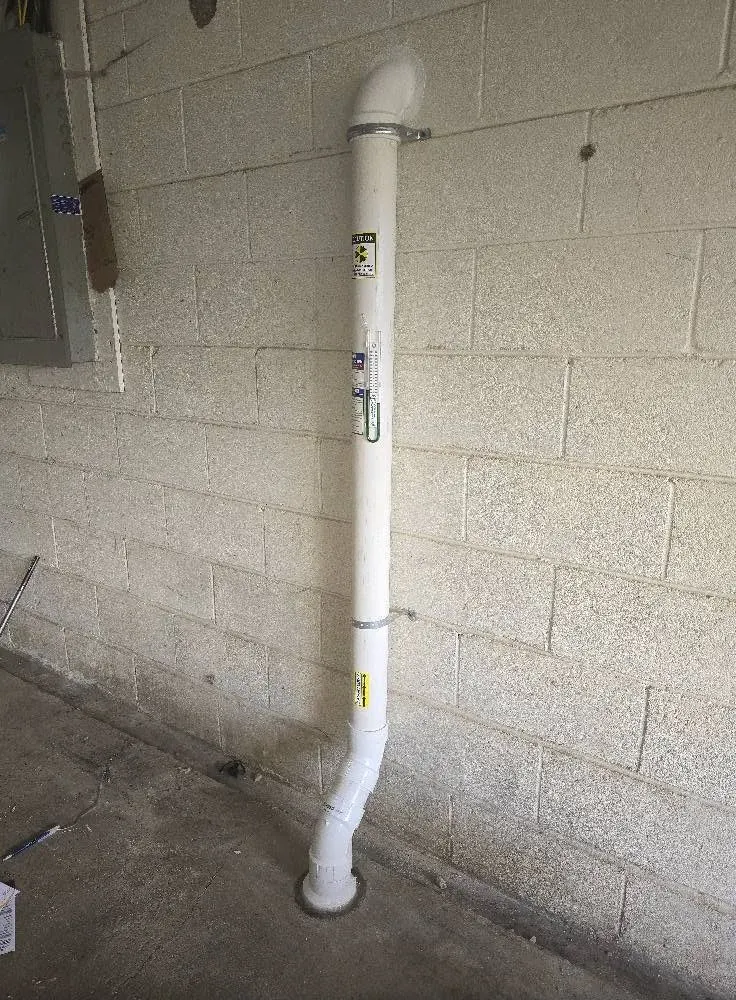
In my experience, a typical sub-slab depressurization system for a house with a concrete slab foundation costs between $800 and $1,500 in our region. That includes a radon fan, PVC piping routed through the garage or outside the house, and sealing cracks in the slab. If you have a crawl space, the setup is similar but sometimes costs a little less because the piping is easier to run. The key cost drivers are the fan quality, the labor for running the discharge pipe, and the electrical work to power the fan. Transparent pricing from a contractor like Dan Jenkins in York County means you get a clear cost estimate before any work begins, with no hidden fees for "unforeseen conditions" that somehow always appear.
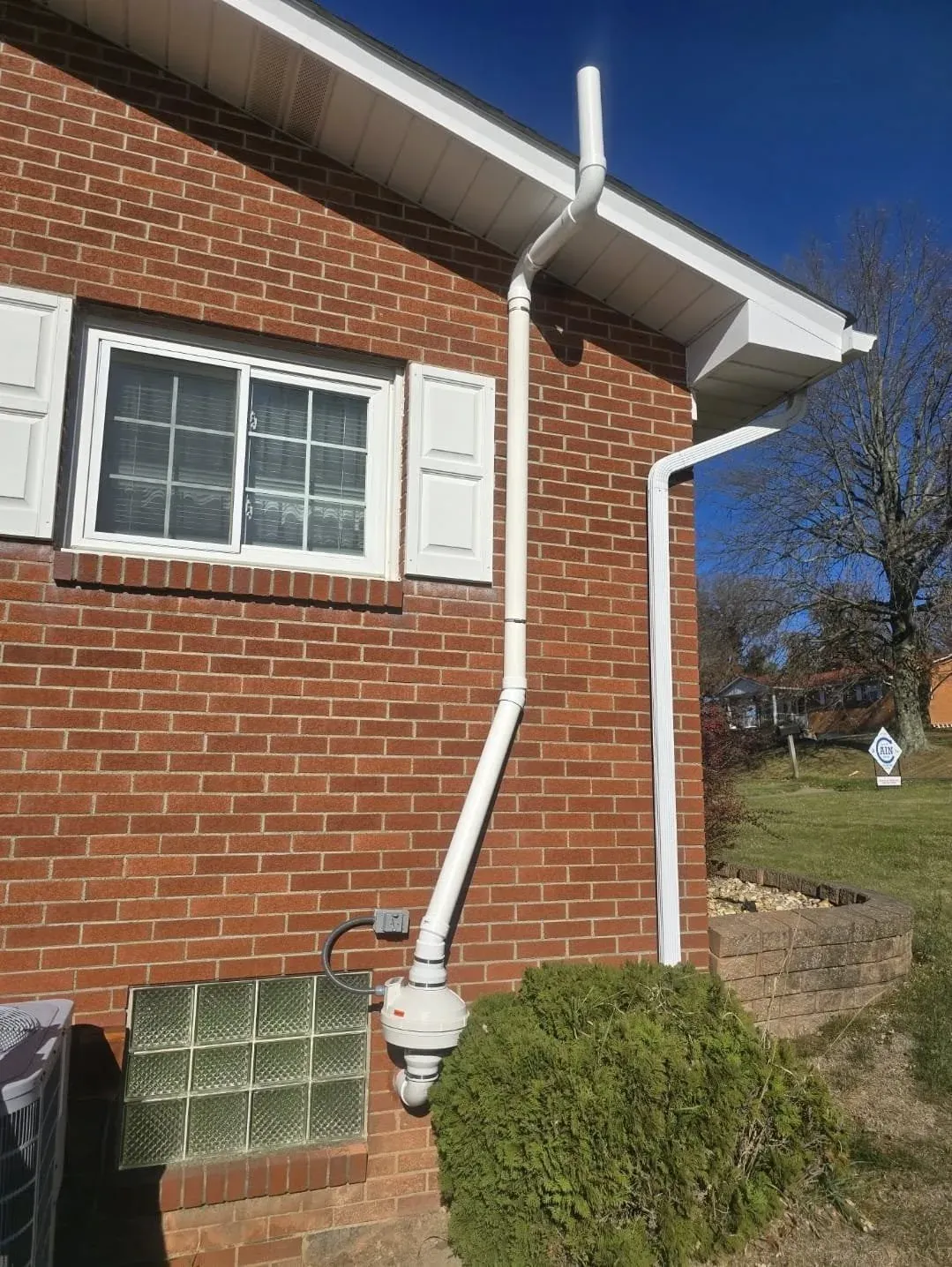
I've seen homeowners pay $2,500 for a system that should have been $1,200 because the contractor added on extra sealing work that wasn't needed. On the other hand, I've seen bargain systems installed with undersized fans that burn out in two years. The sweet spot is a contractor who gives you a fair price based on the actual conditions of your home, not a one-size-fits-all quote.
Sub-Slab Depressurization: The Gold Standard
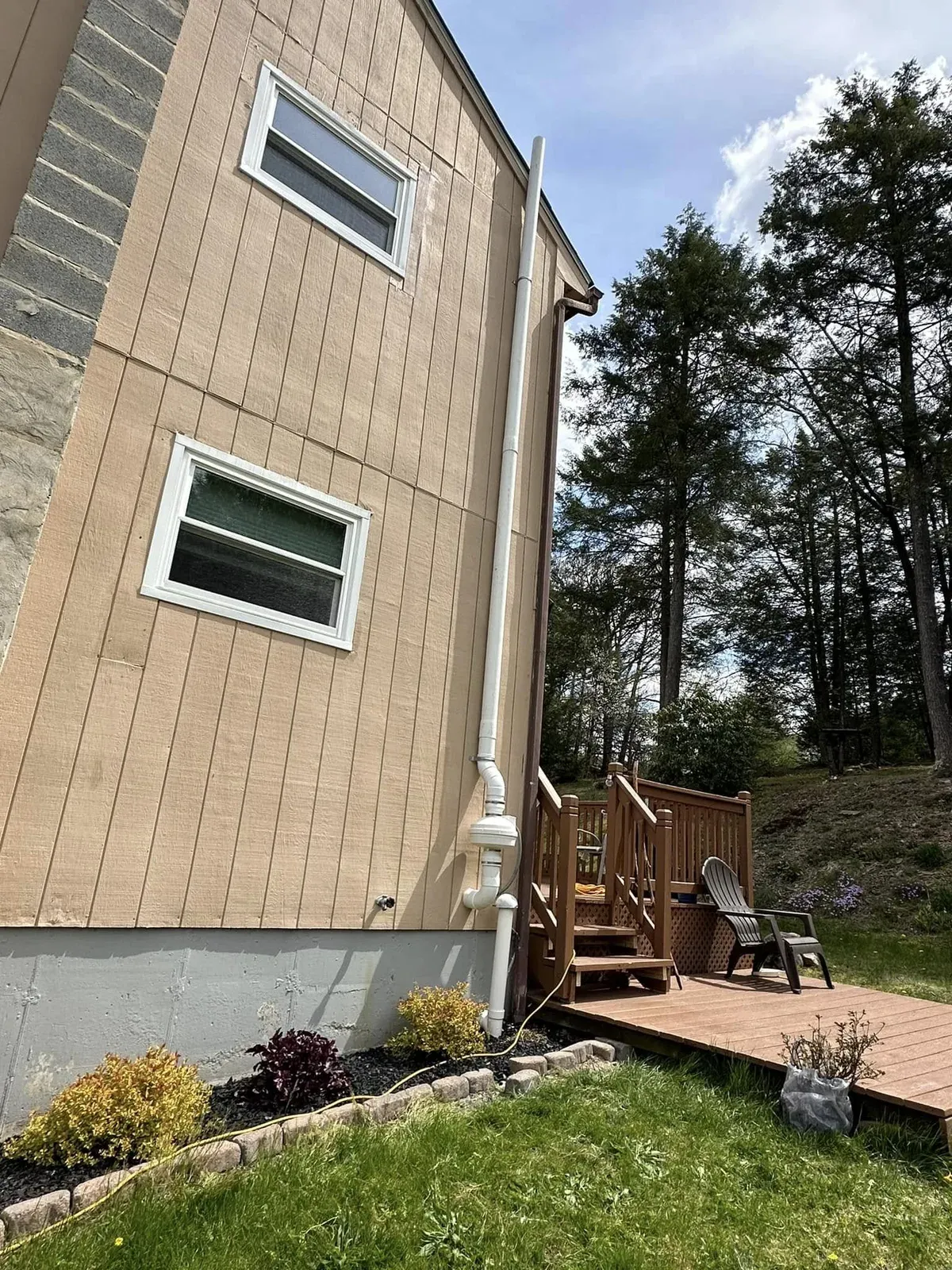
The most common and effective method for reducing radon levels is sub-slab depressurization. A contractor drills a small hole through the concrete slab, digs a shallow pit beneath it, and installs a pipe that runs from that pit up through the wall to the outside, where a radon fan pulls the soil gas from under the house and vents it safely into the outdoor air. The fan runs continuously, creating a low-pressure zone under the slab that stops radon from entering the living space.
This method works on most homes in Pennsylvania because the soil conditions here, lots of shale and clay, produce moderate to high radon potential. According to the EPA's radon zone map, York County is in Zone 1, meaning predicted average indoor radon levels above 4 pCi/L. That doesn't mean every house has a problem, but it does mean every homeowner should test. And if you do need a system, sub-slab depressurization is usually the most affordable radon mitigation approach because it addresses the root cause without requiring major structural changes.
One thing I learned the hard way: the placement of the fan matters. If the fan is installed in the attic, it can be harder to service and may be exposed to extreme temperatures. A good local contractor will install the fan outside the living space, often on an exterior wall or in the garage, so it's accessible for maintenance and the noise stays outside. Dan Jenkins follows that practice, and it's one reason his systems tend to last.
Sealing Cracks: Necessary But Not a Standalone Solution
Sealing cracks in the foundation floor and walls is part of any professional radon mitigation job. But I want to be clear: sealing alone rarely fixes the problem. Radon can enter through the tiniest gaps around pipes, along the slab edge, and through the porous concrete itself. You can seal every visible crack and still have elevated radon levels because the soil gas is under pressure and will find another path. Sealing is essential to maximize the efficiency of a sub-slip depressurization system, but it is not a replacement for active ventilation.
Some homeowners try to save money by just caulking everything and hoping for the best. I've tested houses where the owner spent a weekend sealing cracks, and the post-sealing test came back at 6 pCi/L. They ended up calling a professional anyway. The lesson is that affordable radon mitigation means spending money where it counts, on the fan and the piping, and not skimping on the sealing, but also not relying on it alone.
How to Choose a Local Contractor
Finding a qualified local contractor for radon mitigation in Pennsylvania isn't as hard as it used to be, but you still need to ask the right questions. Here are a few things I've learned to look for:
- Certification: Look for a contractor who is certified by the National Radon Proficiency Program (NRPP) or a similar body. This ensures they've passed an exam and follow industry standards.
- Installation warranty: A reputable contractor offers at least a one-year warranty on parts and labor. Dan Jenkins provides that, and it gives you peace of mind that if something goes wrong, you're covered.
- Transparent pricing: Ask for a written cost estimate that itemizes the fan, piping, sealing, and labor. If the contractor hesitates or gives a vague number, move on.
- Post-mitigation testing: The job isn't done until a follow-up radon test confirms the levels are below 4 pCi/L. A good contractor includes that in the price.
- Local experience: A contractor who works in York County understands the local soil types, common foundation types, and even which neighborhoods tend to have higher radon levels. That local knowledge saves time and money.
I once referred a friend to a contractor from out of the area who quoted $1,800 for a system that a local pro would have done for $1,100. The out-of-towner didn't realize that the clay soil in his crawl space required a bigger fan pit and extra piping. The local guy knew exactly what was needed because he'd done a dozen similar jobs in the same subdivision. That's the value of hiring someone who knows the ground under your feet.
The Health Risks You Can't Afford to Ignore
I'm not a doctor, but I've read enough to know that the health risks of long-term radon exposure are serious. The EPA estimates that radon causes about 21,000 lung cancer deaths per year in the U.S., making it the leading cause of lung cancer among non-smokers. The risk is cumulative, the longer you live in a home with elevated radon levels, the higher your chance of developing health problems. For smokers, the combination of smoking and radon exposure is especially dangerous.
That's why affordable radon mitigation isn't just a nice-to-have. It's a direct investment in your family's health. If your test shows 8 pCi/L, reducing it to 2 pCi/L cuts your long-term risk by a factor of four. The cost of the system is a fraction of what you'd spend on medical bills, not to mention the emotional toll of a serious illness. I've had customers tell me they wished they'd tested and mitigated years earlier. Don't wait until a lung cancer diagnosis makes the decision for you.
Final Thoughts on Affordable Radon Mitigation
Radon mitigation doesn't have to be a budget-breaker. With transparent pricing and a qualified local contractor, you can get a system that works reliably for decades. The upfront cost, typically between $800 and $1,500 for most homes in York County, is a small price when you consider the peace of mind and the long-term health protection. Dan Jenkins has been installing these systems in Pennsylvania for years, and his approach shows that affordable radon mitigation is about making smart choices, not cutting corners.
If you haven't tested your home yet, buy a radon detector from a hardware store or online. Run it for the recommended time. If the results are high, call a local contractor for a cost estimate. And don't be swayed by scare tactics or lowball quotes. A fair price, a solid installation warranty, and a post-mitigation test are the markers of a job done right. That's the kind of affordable radon mitigation that protects your home and your health.